Fascinating Facts About Beards: History, Biology, and Culture
You’ve been wearing one of humanity’s oldest symbols of power on your face this whole time—and it’s never just been about style. Across centuries, beards have signaled dominance, wisdom, rebellion, and identity, shifting meaning as societies evolved. What started as a biological trait became a cultural language, constantly rewritten by war, religion, politics, and, more recently, pop culture.
Today, beards are everywhere again—from Hollywood red carpets to TikTok grooming tutorials—but this isn’t just another passing trend. It’s part of a long historical cycle where facial hair rises, disappears, and returns with new meaning. To understand why beards keep coming back, you have to look at how biology, history, and modern culture all intersect.
Why Humans Grow Beards: Evolution, Protection, and Attraction
Long before beards became fashion statements, they served practical and evolutionary purposes. One of the most compelling theories, known as the pugilism hypothesis, suggests that beards evolved as a form of protection during male-to-male combat. Facial hair can absorb more impact than bare skin, helping to cushion blows and protect vulnerable areas like the jaw.
But protection alone doesn’t explain their persistence. Beards also functioned as visual signals of maturity and genetic fitness. Much like a lion’s mane, they made men appear larger, stronger, and more intimidating.
Charles Darwin described beards as ornamental traits shaped by sexual selection, meaning they evolved partly to attract mates and signal dominance to rivals. Even today, those instincts linger. Research consistently shows that bearded men are perceived as more authoritative, mature, and socially dominant, suggesting that the evolutionary roots of facial hair still influence modern perception.
What Beards Signal About Dominance, Attraction, and Evolution
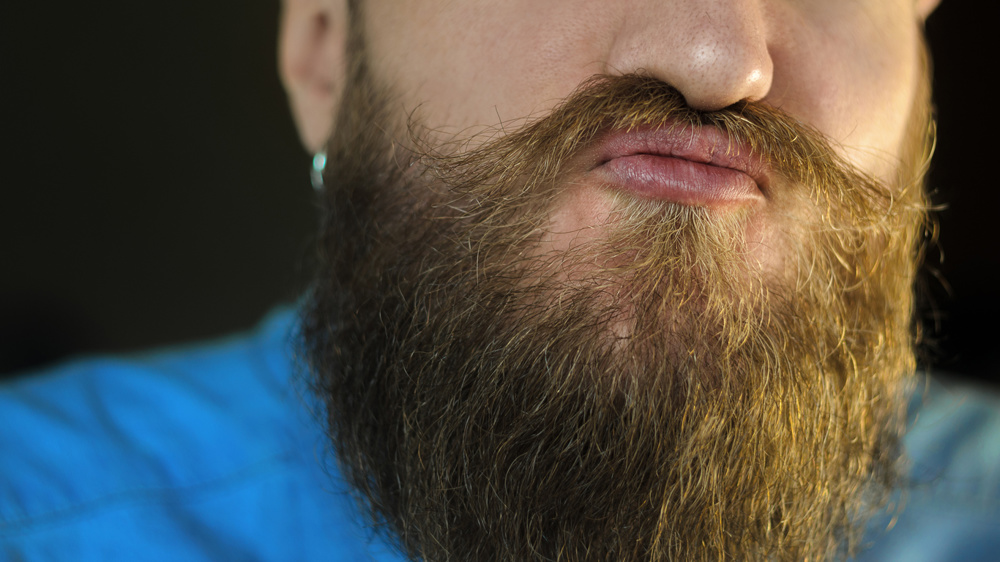
Beyond physical protection, beards send powerful signals about dominance, attraction, and evolutionary fitness. When you see a bearded man, your brain subconsciously registers higher social status, maturity, and potential aggression. Studies confirm bearded faces appear considerably more aggressive than clean-shaven equivalents, functioning like a lion's mane to intimidate rivals during male competition.
Beards also serve as biological testosterone markers, indicating sexual maturity and health to both competitors and potential partners. A 2013 study found bearded celebrities appeared eight years older and remarkably more attractive, suggesting beards enhance perceived responsibility and maturity.
From an evolutionary protection standpoint, beards cushion facial bones during fights while providing UV protection and insulation. These combined functions explain why beards evolved primarily through intrasexual competition rather than simple female preference alone. The recent comeback of the full beard in fashion suggests that societal views on beards and their social significance continue to shift over time.
How Ancient Greeks and Romans Weaponized the Beard
While beards once signaled dominance and evolutionary fitness, ancient Greeks and Romans literally turned them into military liabilities. Beard based battlefield tactics reshaped ancient perceptions of beard grooming permanently.
| Event | Detail |
| Spartan Punishment | Half-beard shaved for cowardice |
| Alexander's Order | Generals shaved beards ~345 BCE |
| Greek Barbers Arrive | Sicily barbers reached Italy, 454 BCE |
| Roman Adoption | Elite shaved mustaches, 2nd century BCE |
| Battlefield Risk | Enemies grabbed beards in combat |
Alexander ordered his generals shaved so enemies couldn't grab their beards mid-combat. You'd lose your fight before throwing a punch. Spartans used beard-shaving as public shame for cowardice. Romans, influenced by Greeks, eventually abandoned full beards entirely.
This proved that a simple grooming choice could determine your survival on the battlefield. In ancient Rome, the first shaving was celebrated as a formal rite of passage marking a young man's transition into adulthood.
How Alexander the Great Made Shaving Cool: and Killed the Beard
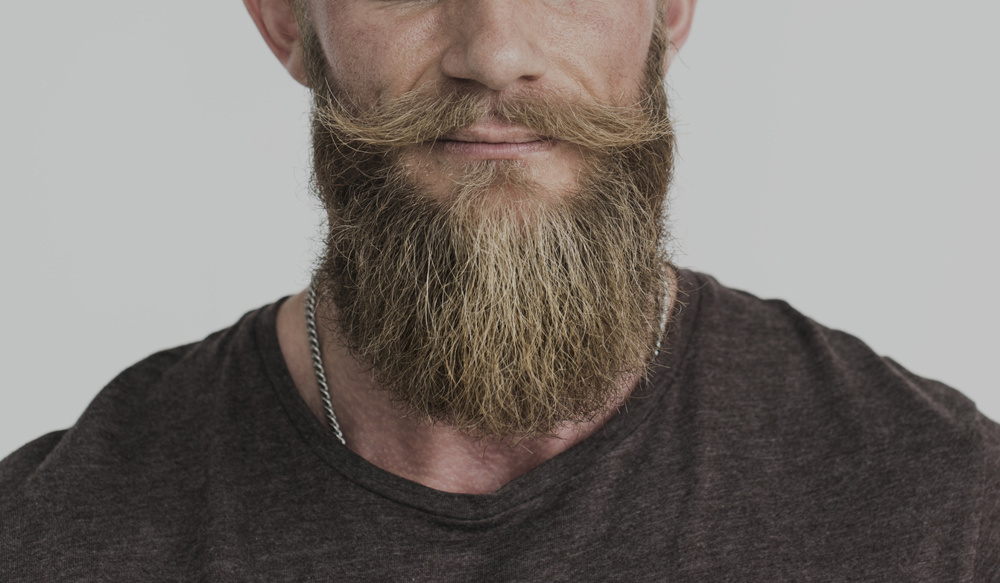
On September 30, 331 BC, Alexander the Great did something no self-respecting Greek leader had done before: he ordered his entire army to shave before facing Persian King Darius III at the Battle of Gaugamela. He shaved first, making grooming as a political transformation visible to every soldier watching.
Classical Greek culture linked beards with wisdom and maturity, so Alexander's clean chin challenged everything. He aligned himself instead with youthful heroes like Heracles and Achilles, projecting vigor over tradition. Alexander's revolutionary leadership reshaped masculine identity across the Hellenistic world, extending far beyond military ranks into civilian life.
Affluent men adopted the look, and later Roman leaders like Julius Caesar and Augustus reinforced it, effectively ending the ancient beard's cultural dominance. The order to shave also carried a practical military purpose, as beards could provide dangerous handholds for enemies during close combat.
Stir up your curiosity with more surprising facts about beard and its history!
Medieval Beard Laws, Taxes, and Dueling Culture
Few periods in history reveal how deeply beards mattered, quite like the Middle Ages. Church efforts to enforce clergy cleanliness were relentless. Councils from Carthage to Toledo mandated trimmed beards or clean-shaven faces for priests, and Pope Alexander III even ordered archdeacons to forcibly shave non-compliant clerics. Excommunication awaited those who refused.
Peer enforced grooming standards shaped secular life too. Normans wore their hair short and faces clean-shaven, while the English kept moustaches and long hair — differences immortalized in the Bayeux Tapestry.
Yet not everyone agreed. A German bishop condemned beardless nobles as morally corrupt, and a Regensburg scholar recorded a priest rebuking a layman simply for shaving. Your face wasn't just personal — it was political, religious, and deeply cultural. During the Crusades, knights allowed their beards to grow as an act of penitence, a practice that sparked a widespread resurgence of beards among the noble classes.
The Kings and Emperors Who Turned Beards Into Power Statements
Medieval Europe wasn't alone in treating beards as political currency — rulers across the ancient world weaponized facial hair long before any church council weighed in. Egyptian pharaohs wore fake beards as divine symbols, with Queen Hatshepsut adopting one to assert authority equal to any male ruler.
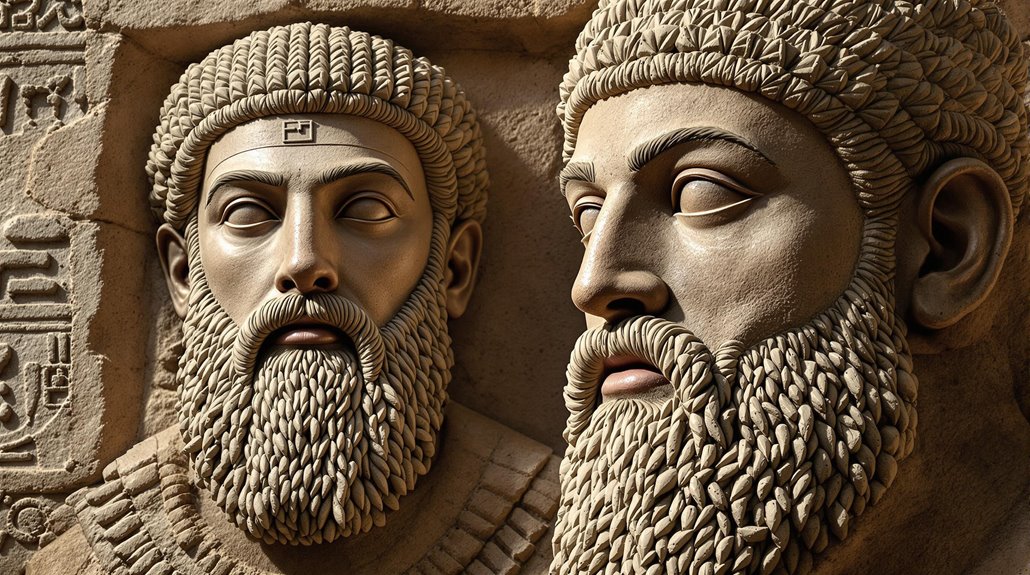
Mesopotamian kings styled elaborate beards as a power symbol, reinforcing dominance over their subjects. In Tudor England, Henry VIII grew his beard to rival Francis I, while Elizabeth I's courtiers dyed theirs red as a beard as a political statement of loyalty. Even Abraham Lincoln grew his iconic beard after a young girl's advice, transforming his public image.
Biblical leaders treated beards as sacred — shaving them meant humiliation, honoring them meant dignity. Among early tribes, beards served as a sign of maturity and authority, marking those who led with strength and nobility.
From Van Dykes to Mutton Chops: The Beard Styles That Defined Each Era
Throughout history, beard styles haven't just followed fashion — they've mapped civilization's shifting values, power structures, and cultural identities onto men's faces. Greeks wore full beards signaling wisdom, while Romans went clean-shaven for discipline.
Medieval knights grew beards to project bravery, and Renaissance icons like Henry VIII sculpted thick, authoritative styles. Victorian-era beard evolution during the industrial revolution brought full beards back as symbols of intellectual and moral seriousness, championed by Darwin, Marx, and Lincoln.
The 20th century swung between clean-shaven conformity and hippie-era wildness, with the Beatles normalizing untamed looks. Military regulations during both World Wars mandated clean-shaven faces to ensure gas mask effectiveness, permanently shaping postwar grooming standards in business and society. Today, beard politics in 21st century culture reflects identity, rebellion, and personal philosophy — proving that how you shape your beard still tells the world exactly who you are.
Why Two World Wars Convinced Men to Put Down the Razor
When two world wars reshaped civilization, they also quietly ended one of history's longest beard traditions. Gas masks made facial hair a life-or-death liability. You couldn't get a proper seal over a beard, and in chemical warfare, that failure meant death. Military shaving mandates swept through both conflicts, turning daily shaving from personal choice into statutory obligation.
Trench warfare hygiene challenges complicated everything, though. You'd find yourself without running water, clean basins, or steady hands after combat stress. Comrades shaved each other when nerves made solo attempts dangerous. Cutthroat razors around anxious necks caused serious nicks.
Gillette's safety razor solved much of this, making disposable blades affordable and practical for mass military kits. Gillette reinforced this shift by selling 4.8 million Khaki razor sets to the US government at cost during WWI, ensuring clean-shaven became the standard for a generation of soldiers. By the wars' end, clean-shaven faces had permanently replaced Victorian beard culture.
The Counterculture Comeback: Beards as Rebellion
Beards began to re-emerge in the mid-twentieth century, driven largely by countercultural movements. In the 1960s and 1970s, long hair and facial hair became symbols of resistance against established norms. The hippie movement, in particular, used beards to reject corporate culture, military discipline, and traditional ideas of masculinity.
This marked a significant shift in meaning. For the first time in modern history, beards were less about authority and more about defiance. They became a visual statement of individuality and nonconformity. However, as these styles became more widely accepted, their rebellious edge faded, and facial hair once again transitioned into a normalized part of everyday appearance.
Pop Culture and the Modern Beard Revival
The most recent resurgence of beards has been shaped heavily by pop culture. Celebrities, athletes, and public figures have redefined facial hair as both stylish and versatile. Actors like Jason Momoa and Idris Elba have helped reintroduce rugged, full beards into mainstream appeal, while figures like George Clooney demonstrate how facial hair can convey refinement and maturity.
At the same time, the rise of social media has transformed how grooming trends spread. Platforms like Instagram and TikTok allow barbers and influencers to showcase techniques, styles, and transformations to a global audience. What once evolved slowly within local communities now shifts rapidly through digital networks. Beard culture has become more visible, more accessible, and more influential than ever before.
What Your Beard Says About You in the Modern World
In the modern world, a beard functions as a subtle but powerful form of communication. Different styles convey different impressions, shaping how others perceive personality, confidence, and professionalism. A carefully maintained beard can signal attention to detail, while a more relaxed style may suggest creativity or independence.
Social attitudes have also shifted significantly. Studies indicate that facial hair is widely perceived as attractive and that bearded men are often seen as more dominant or capable in professional settings. At the same time, workplace norms have become more flexible, allowing individuals to express themselves more freely through grooming choices. The beard has evolved into a form of personal branding, reflecting both identity and intention.
Why Beards Keep Coming Back
The recurring rise and fall of beards throughout history reveals a larger pattern. Facial hair adapts to cultural shifts, taking on new meanings as societies change. In times of structure and conformity, clean-shaven faces tend to dominate. In periods of individuality and transformation, beards return as symbols of expression.
What makes the current moment unique is the range of meanings available. A beard no longer carries a single message. It can represent professionalism, creativity, rebellion, or tradition, depending on how it is worn and interpreted. This flexibility is what keeps it relevant, allowing it to evolve rather than disappear.
Conclusion
A beard has never been just hair. It is a reflection of history, biology, and culture woven together into something deeply human. From ancient philosophers to modern influencers, it has carried meanings that extend far beyond appearance.
What has changed today is not the beard itself, but the freedom behind it. You are no longer bound by a single interpretation. Instead, your beard becomes part of a broader story—one that continues to evolve with every generation.
Related posts