Pop Culture and the Barbershop Experience: Why Beard Grooming Became a Lifestyle Ritual
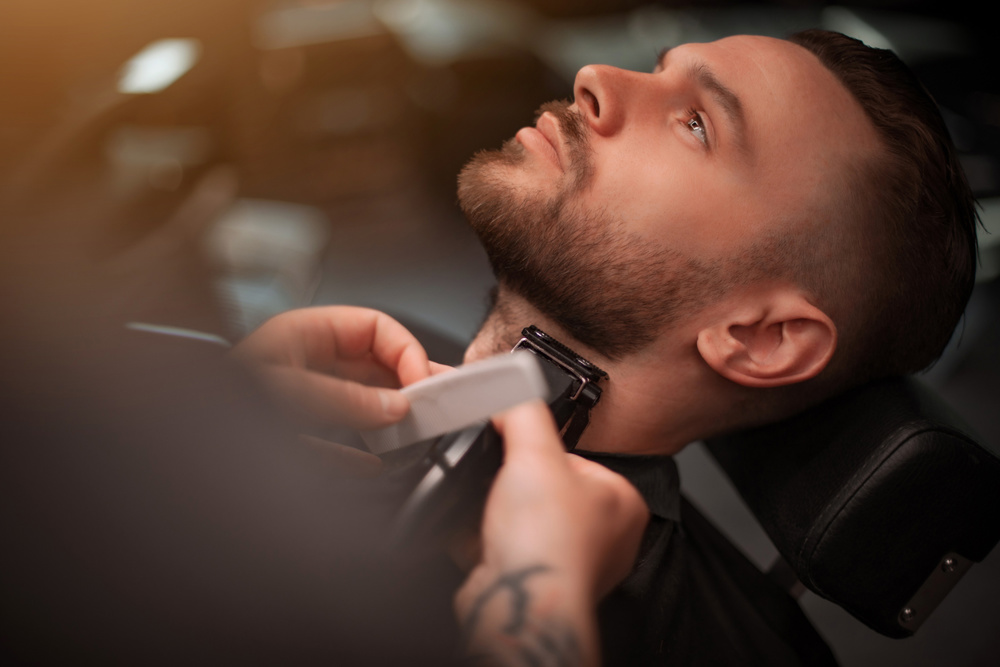
Pop culture didn’t just make beards trendy—it redefined what they mean. What was once a simple grooming choice has become a visual signal of identity, discipline, and status. From red carpets to Instagram feeds, facial hair now communicates something before a word is spoken.
At the same time, the barbershop has evolved alongside this shift. No longer just a place for maintenance, it has become a curated space for self-presentation, ritual, and even community. Together, these changes reveal something bigger: grooming has moved from routine to lifestyle—and pop culture is the force that pushed it there.
Celebrity Influence and the Rise of Beard Culture
When you think about the modern beard revival, it's hard to ignore the outsized role celebrities have played in shaping it. George Clooney alternated between smooth and bearded looks, re-popularizing facial hair for both casual and red-carpet settings. Brad Pitt's varied styles pushed mainstream media acceptance, while Jason Momoa blended subculture and mainstream appeal through his acting roles.
James Harden turned his beard into a trademark symbol of unconventional masculinity, breaking the clean-shaven athlete image and projecting confidence on and off the court. Idris Elba further elevated beard culture during No Shave November, celebrating it as a mark of style and identity.
Together, these figures drove a cultural reinvention of grooming, proving that a beard isn't just facial hair — it's a personal statement. Musicians like ZZ Top also played their part, diversifying beard styles in public and expanding what was considered acceptable or fashionable across different audiences.
How Pop Culture Turned Beards Into a Status Symbol
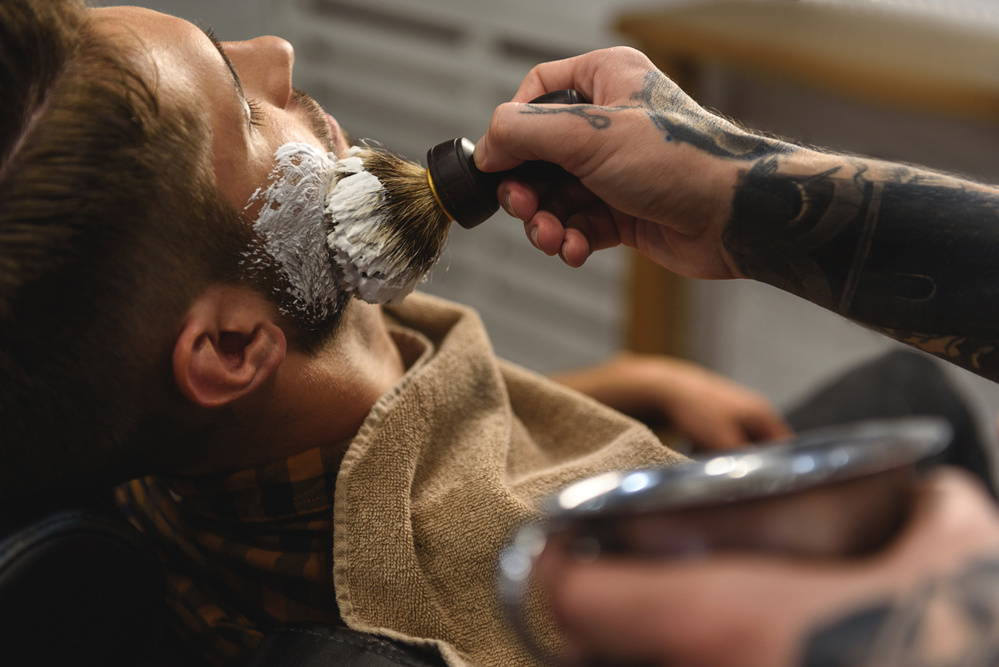
Beyond celebrity endorsements, pop culture has rewired how society interprets facial hair — transforming beards from a simple grooming choice into a visible marker of power and prestige. Beard symbolism in pop culture runs deeper than aesthetics.
Research confirms that bearded men are consistently judged as higher status, more dominant, and more authoritative — across cultures and genders. You're not just growing a beard; you're signaling maturity, confidence, and social standing. Men unconsciously recognize this, which explains why increased beard grooming revenue continues climbing globally.
When screens, music, and media repeatedly connect beards with powerful figures, those associations become culturally embedded. Your grooming choices reflect those absorbed narratives. Beards now communicate something unmistakable. Before you speak, your face already establishes your place in the room. In some cultures, beards are even tied to wisdom and experience, meaning a well-maintained beard can elevate how others perceive your knowledge and integrity.
The Return of the Barbershop as a Cultural Space
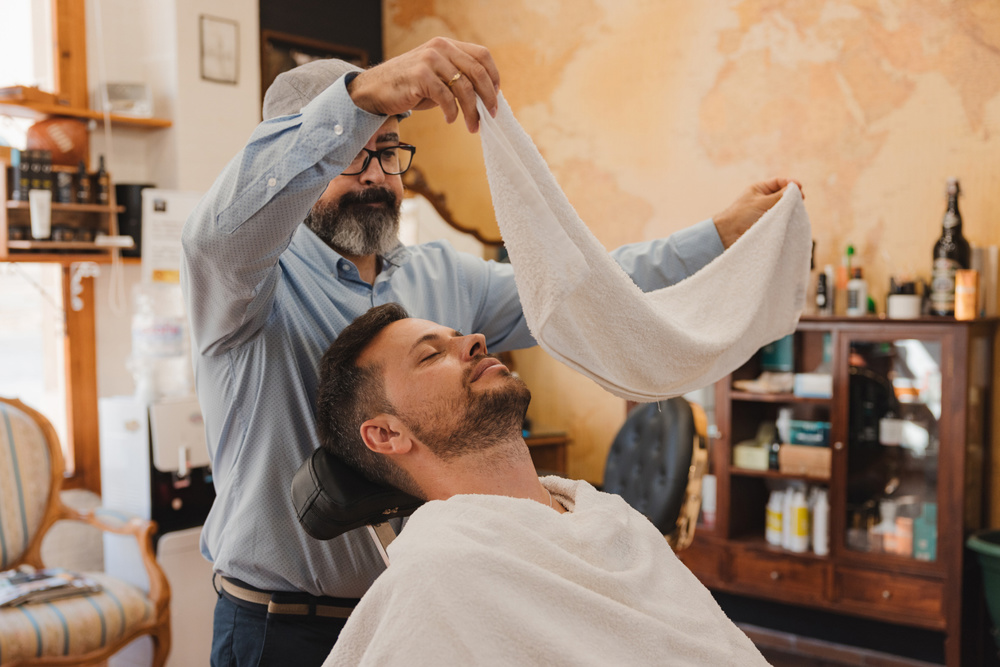
As the meaning of beards changed, so did the spaces built around them. The barbershop has re-emerged as more than a service environment—it’s now a destination. Modern shops offer curated experiences: hot towel shaves, beard sculpting, skincare treatments, and personalized consultations. The focus has shifted from speed to quality.
But the transformation isn’t just about services—it’s about atmosphere. Barbershops have become spaces where identity is shaped and reinforced. They offer something that’s increasingly rare: a dedicated environment for male self-care that feels intentional rather than transactional. Conversations happen. Styles are refined. Confidence is built.
This isn’t entirely new. Historically, barbershops were social hubs—places where men gathered, exchanged ideas, and built community. What’s changed is how that function intersects with modern lifestyle culture. Today, the barbershop sits at the intersection of grooming, identity, and experience.
How Beard Grooming Became a Male Identity Ritual
When you run a hand through your beard, you're participating in a ritual older than recorded history. Ancient Egyptians decorated beards with oils and metal rings. Vikings braided theirs with beads. Greek philosophers wore them as intellectual emblems. These weren't fashion choices — they were cultural identity signifiers communicating power, wisdom, and belonging.
That tradition never disappeared. It evolved. Today, 63% of bearded men believe facial hair directly increases their masculinity, and research confirms that well-groomed beards signal maturity and competency. Beard grooming has become masculine self-actualization — a deliberate practice of shaping how the world perceives you.
You're not just managing hair. You're managing identity. Every trim, every oil application connects you to centuries of men who understood that appearance communicates something words cannot. In ancient Mesopotamia, laws governing beards dictated which styles different social classes were permitted to wear, proving that facial hair has long been a matter of serious cultural consequence.
Oils, Balms, and Trimmers: The Products Behind the Lifestyle
Every product in your grooming kit exists for a reason. Beard oils deliver lightweight, non-greasy nourishment using argan and jojoba, while balms handle conditioning rituals and hold. Trimmers—wireless and portable—give you precision shaping on your schedule.
Product function customization lets you build a routine that matches your beard's specific needs. Targeted conditioner effectiveness means your skin benefits as much as your beard does, especially with hybrid formulations containing anti-inflammatory extracts.
| Product | Primary Benefit |
| Beard Oil | Moisturizing & shine |
| Beard Balm | Conditioning & styling |
| Beard Trimmer | Precision shaping |
The market reflects real demand—beard care reached $17.09 billion in 2025. These aren't luxury purchases; they're functional tools backing a deliberate lifestyle. The sector is projected to hit a $23.69 billion valuation by 2030, driven by the continued expansion of organic formulations and premium grooming solutions.
Check out MrPopCulture.com and learn more about pop culture trends in beard grooming.
Organic and Premium Beard Care Are Taking Over
Choosing the right tools is just the start—what's inside those bottles and tins matters just as much. You're part of a growing wave of men demanding cleaner, smarter formulations. The organic beard care segment is expanding fast, growing at 7.9% annually in the US alone, driven by your generation's preference for plant-based oils like argan, jojoba, and grapeseed.
Ingredient transparency isn't optional anymore—you want to know exactly what touches your skin. In the UK, 45% of male grooming users already prioritize natural or organic products.
Meanwhile, premium brands like Beardbrand and Tom Ford are raising the bar, making organic certification a genuine selling point rather than a marketing gimmick. Quality and conscience now come in the same bottle. The broader beard grooming industry reflects this momentum, with the global market projected to reach $43.1 billion by 2026, fueled in large part by the surging demand for natural and premium products.
Social Media and the Globalization of Beard Culture
If celebrities started the beard revival, social media accelerated it. Platforms like Instagram, TikTok, and YouTube turned grooming into a global conversation. Barbers share transformations, influencers demonstrate routines, and everyday users document their progress. What once spread locally through barbershops now circulates instantly across continents. This creates a feedback loop.
A new beard style appears online, gains traction, and is replicated worldwide within days. Tutorials break down techniques. Product recommendations follow. The cycle repeats, constantly evolving the aesthetic. What makes this different from past trends is speed and accessibility.
You don’t need to live in a fashion capital to adopt current styles. You just need access to content. Social media has democratized grooming knowledge, making high-level techniques available to anyone willing to learn. At the same time, it reinforces standards. The more you see curated, well-maintained beards, the more that level of grooming becomes expected.
Why the Beard Grooming Market Keeps Growing Year After Year
What you're spending on beard care isn't happening in a vacuum—it's part of a global market that keeps expanding because multiple forces are pushing in the same direction at once. Changing consumer preferences toward natural, organic, and premium formulations are driving brands to innovate constantly, giving you more specialized options than ever before.
Meanwhile, emerging market opportunities in Asia-Pacific and other developing regions are bringing millions of new consumers into the fold as disposable incomes rise. Distribution has expanded too—specialty stores, supermarkets, and e-commerce platforms make products easier to access wherever you are.
Add celebrity influence, evolving grooming culture, and growing commercial demand from barbershops, and you've got a market with compounding momentum. Each factor reinforces the others, making sustained growth nearly inevitable. The beard grooming market was valued at $24.1 billion in 2018 and is projected to reach $43.1 billion by 2026, which speaks to just how much financial weight this industry now carries.
Identity, Discipline, and the Modern Grooming Mindset
At its core, the rise of beard culture isn’t just about style—it’s about control. Maintaining a beard requires consistency. It demands attention to detail, routine, and discipline. These qualities extend beyond grooming—they reflect how someone approaches their broader life.
This is why grooming resonates so strongly with modern audiences. It offers a tangible way to shape identity. You can’t control everything, but you can control how you present yourself. And in a culture that values both individuality and visibility, that control matters.
Pop culture amplifies this idea by continuously associating well-groomed appearances with success, confidence, and authority. Over time, these associations become expectations. The result is a mindset shift. Grooming is no longer something you do when necessary. It’s something you do intentionally.
Where Beard Culture Goes Next
Beard culture isn’t static—it’s still evolving. What started as a revival has become a foundation, and now the focus is shifting toward refinement and personalization. Instead of following one dominant look, men are adapting styles to fit their face shape, lifestyle, and identity.
At the same time, grooming is becoming more integrated with broader self-care trends. Skincare, haircare, and wellness are no longer separate categories—they’re merging into a single, cohesive approach to personal maintenance. Technology will likely accelerate this further.
From AI-driven style previews to hyper-personalized product recommendations, the future of grooming will be even more tailored and data-informed. But the core principle will remain the same: intentionality. Beards will continue to mean something. Not just because of how they look—but because of what they signal.
Conclusion
What began as a trend has evolved into something more permanent. Pop culture didn’t just popularize beards—it redefined their meaning, reshaped the spaces around them, and transformed grooming into a daily ritual tied to identity. The barbershop became a cultural space again.
Products became tools of self-expression. Routines became signals of discipline and intent. The shift is subtle but significant. You’re no longer just maintaining your appearance. You’re curating it. And in a world where perception is immediate and constant, that distinction makes all the difference.